Understanding HS/PRS
Since 2014, the International Rescue Committee (IRC) has played a critical role in supporting unaccompanied children (UCs) through the Home Study and Post-Release Services (HSPRS) program. Initially serving as a subgrantee to another organization, IRC consistently delivered high-quality, child-centered services that prioritized safety, well-being, and successful family reunification. This commitment to excellence led the Office of Refugee Resettlement (ORR) to award IRC a direct federal contract.
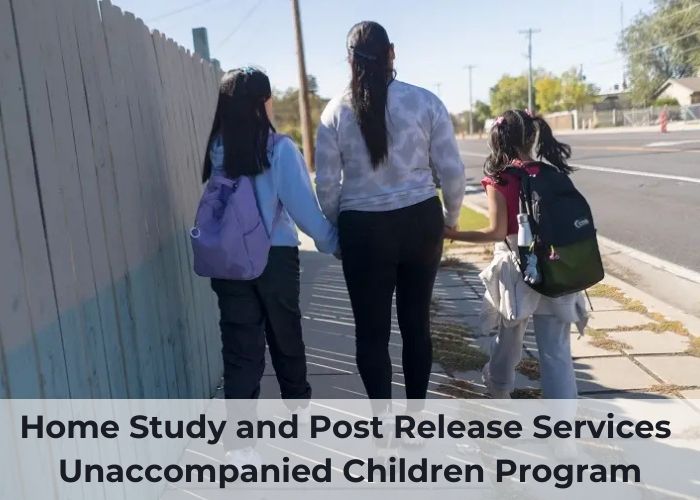
Unaccompanied Children in Need: An unaccompanied child is defined by United States law as a child who is under the age of 18 years old and without an accompanying parent or legal guardian. Tens of thousands of unaccompanied children from places such as El Salvador, Guatemala and Honduras seek refuge in the United States annually, escaping war, gangs, and violence; and others enter involuntarily as labor or sex trafficking victims. Unaccompanied children are released from the custody of the Office of Refugee Resettlement (ORR) into the care of sponsors—often relatives or friends already living in the U.S.
Navigating a New World: Facing a challenging transition, unaccompanied children must adapt to new communities, cultures, languages, and family dynamics. Their mental health, safety, education, and legal needs are critical.
How We Support HS/PRS: This is where the IRC comes in to provide essential support for unaccompanied children in two different areas:
- Home Study: Before the unaccompanied child arrives, when needed, we visit the sponsor’s home, interview household members, and ensure a safe placement. We guide sponsors in their responsibility to promote the child’s safety, rights, and needs.
- Post Release Services: Once the unaccompanied child is with their sponsor, IRC caseworkers create an action plan. IRC provides case management and connects unaccompanied children and their sponsors to educational, legal, medical care, and mental health services. Regular check-ins ensure the child’s well-being and progress.
Benefits of Working on HS/PRS
- With over a decade experience in HS/PRS implementation and our history and reputation as the leading service provider for refugees, asylum seekers, trafficking survivors and other vulnerable immigrants, IRC has a unique ability to scale and provide high-quality HS/PRS services nationwide for unaccompanied children.
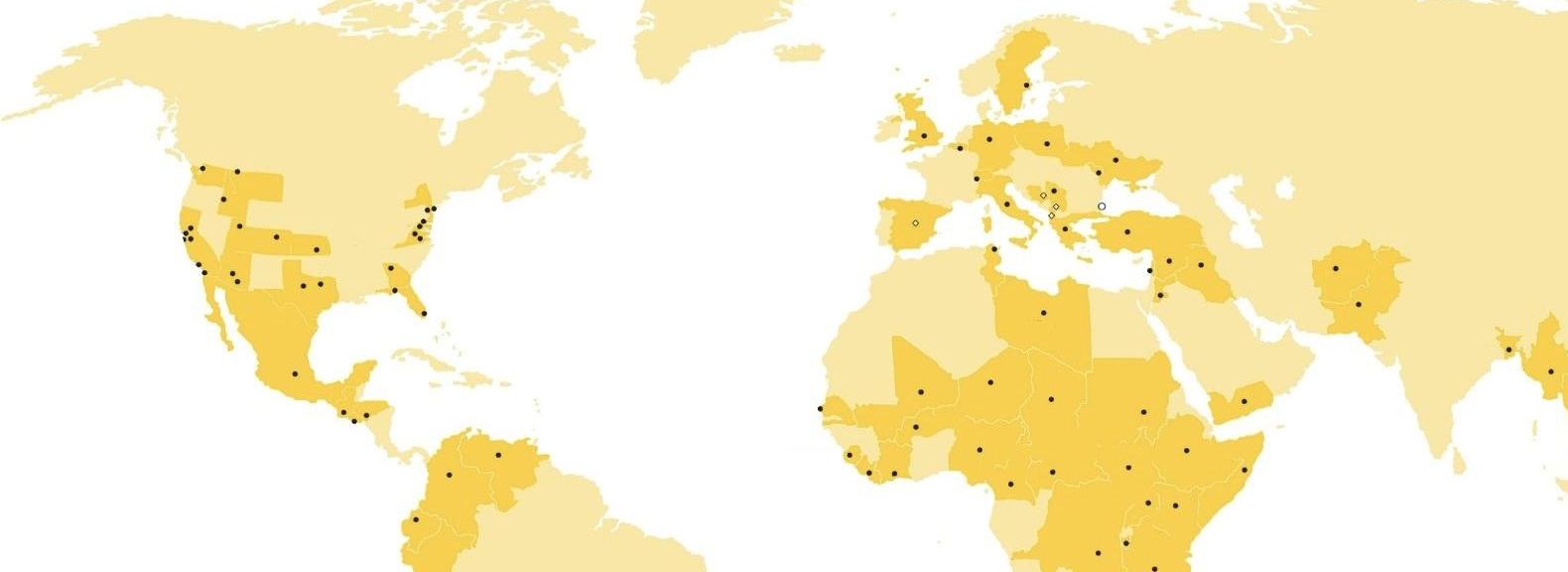
- With a presence across 12 sites and via a national roving team, we address child welfare needs and advocate for more unaccompanied children in need of support, creating growth opportunities within the IRC.
- IRC's multi-tiered management structure ensures quality and accountability at national, regional and local levels, empowering our teams to excel. By collaborating with local case management teams, we leverage child advocacy experience and community connections to gather feedback, demonstrating our adaptability in providing the right support and structure for the unaccompanied children program.
Work with IRC
- Opportunity to be part of a dynamic, mission-driven team with a network of 17,000 professionals across the globe.
- IRC offers sector-leading comprehensive benefits, including generous vacation and retirement matching, healthcare coverage, and more.
- At the IRC, we prioritize professional development. Employees benefit from an extensive selection of online learning via Kaya, available in multiple languages.
- Staff can participate in Temporary Transfer Assignments (TTA) to explore alternative roles and programs for a set period, fostering career advancement and learning while maintaining their current positions.